
Updated guide: we have put everything on this topic in one place. See industries we serve for the full, current version.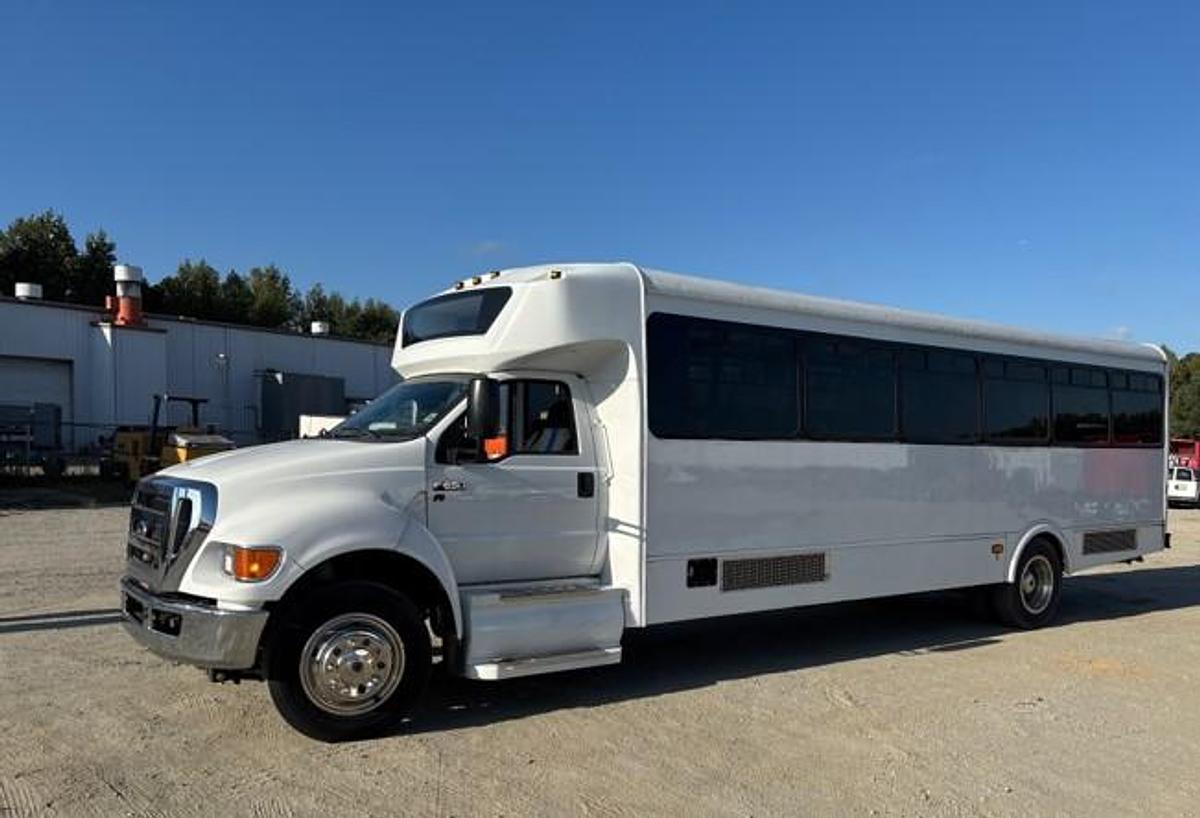
Shuttle buses do a lot more than run between an airport and a hotel. Churches, hospitals, schools, senior communities, tour operators and small businesses all rely on them, and a growing number of owners turn them into rolling clinics, classrooms and shops. Here is a look at the most common ways shuttle buses are put to work, and what to look for in a bus for each job.
Hotel, Airport, Employee and Campus Shuttles
This is the classic shuttle bus job: moving people on a fixed loop, many times a day. Hotels and airport parking lots run guests to the terminal. Companies run employee shuttles between parking, offices and job sites. Universities and corporate campuses use them to connect buildings, dorms and transit stops.
For this kind of work, look for easy entry, good climate control front and rear, and space for bags. A rear luggage compartment or luggage racks make a big difference on airport runs.
Churches, Schools, Camps and Community Groups
Churches use shuttle buses for Sunday pickups, youth trips, retreats and mission work. Schools, camps and sports teams use them for field trips, practices and away games. Senior centers and community organizations use them for shopping trips, outings and appointments.
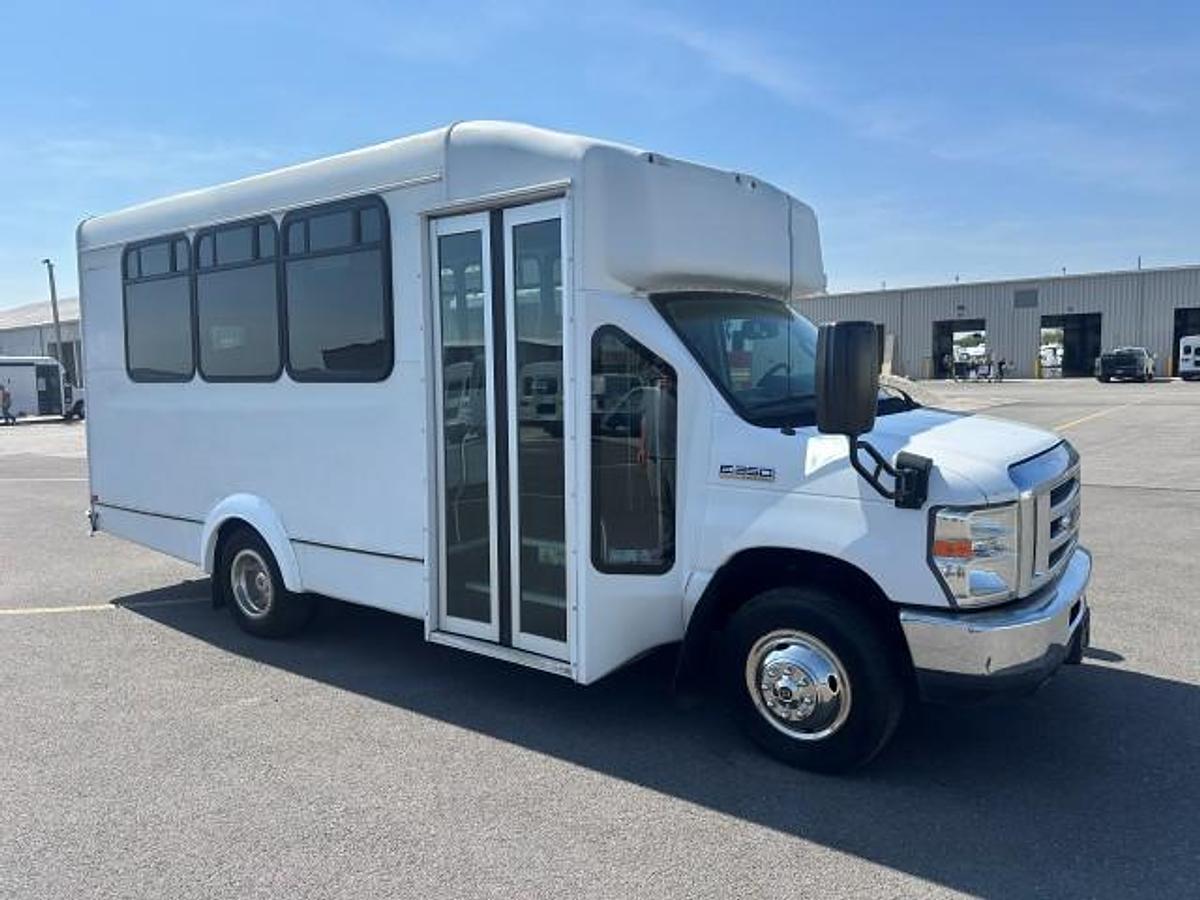
Many of these groups want a bus that any staff member or volunteer can drive. That usually means a non-CDL bus that seats up to 14 passengers plus the driver. Our post on non-CDL shuttle bus capacity explains the rule, and our church bus buyer's guide covers what else to check.
Medical, NEMT and Accessible Transportation
Wheelchair-accessible shuttle buses are the backbone of non-emergency medical transportation (NEMT), paratransit, adult day programs, nursing homes and assisted living communities. Hospitals also use shuttles to move patients, visitors and staff between buildings and parking.
For these riders, the wheelchair lift, securement positions and seating layout matter most. A layout like 12/4 (up to 12 seats, or fewer seats plus up to 4 wheelchair positions) gives you flexibility from day to day. See our guides to buying a reconditioned wheelchair shuttle bus and buying NEMT vehicles.
Events, Tours and Group Travel
Weddings, conventions, trade shows, concerts and corporate events all need to move groups between hotels, parking and venues. Tour operators, theme parks, resorts and cruise terminals run shuttles for sightseeing and transfers. For longer trips, larger buses with high-back seats and more passenger room, like an F-550 or F-650 body, keep riders comfortable.
Public Service, Corrections and Emergency Response
Towns and transit agencies use shuttle buses for local routes and on-demand service. Military bases run them for personnel transport. Correctional facilities use secured buses with caged compartments; we wrote about one in why we bought a prison bus. In emergencies, shuttle buses move evacuees, relief workers and supplies.

Buses That Become Something Else: Mobile Clinics, Classrooms and Businesses
A shuttle bus body is a sturdy, enclosed box on a proven chassis, which makes it a popular starting point for conversions. We see buses turned into:
- Mobile health services: medical, dental, eye care and veterinary clinics, blood donation centers, testing labs and physical therapy units.
- Community and education programs: mobile libraries, classrooms, technology and job centers, food pantries, farmers markets and pet adoption centers.
- Small businesses on wheels: showrooms, offices, salons, dog grooming, gyms, clothing boutiques and art or music studios.
- Living and travel: camper and RV conversions, family travel buses and shelter vehicles.
If you are planning a conversion, tell us how you will use the space. Seating, lift, height and layout all affect how much work the conversion takes.
How to Match the Bus to the Job
- Who will drive? If you need any staff member to drive, stay with a non-CDL bus.
- Who will ride? Daily wheelchair riders call for a lift and multiple securement positions. Mostly ambulatory riders get more seats without a lift.
- How far, how often? Short loops favor easy entry. Longer trips favor comfortable seating and luggage space.
- Where will it run? We source rust-free buses nationwide and deliver anywhere in the U.S.
Find the Right Shuttle Bus for Your Use
Browse our current inventory of reconditioned shuttle buses, or call or text Manny at (516) 852-2748 and tell us what the bus needs to do. We offer FaceTime walkarounds and nationwide delivery.
We had some fun putting this list together. What did we miss?