
Updated guide: we have put everything on this topic in one place. See our shuttle bus buying checklist for the full, current version.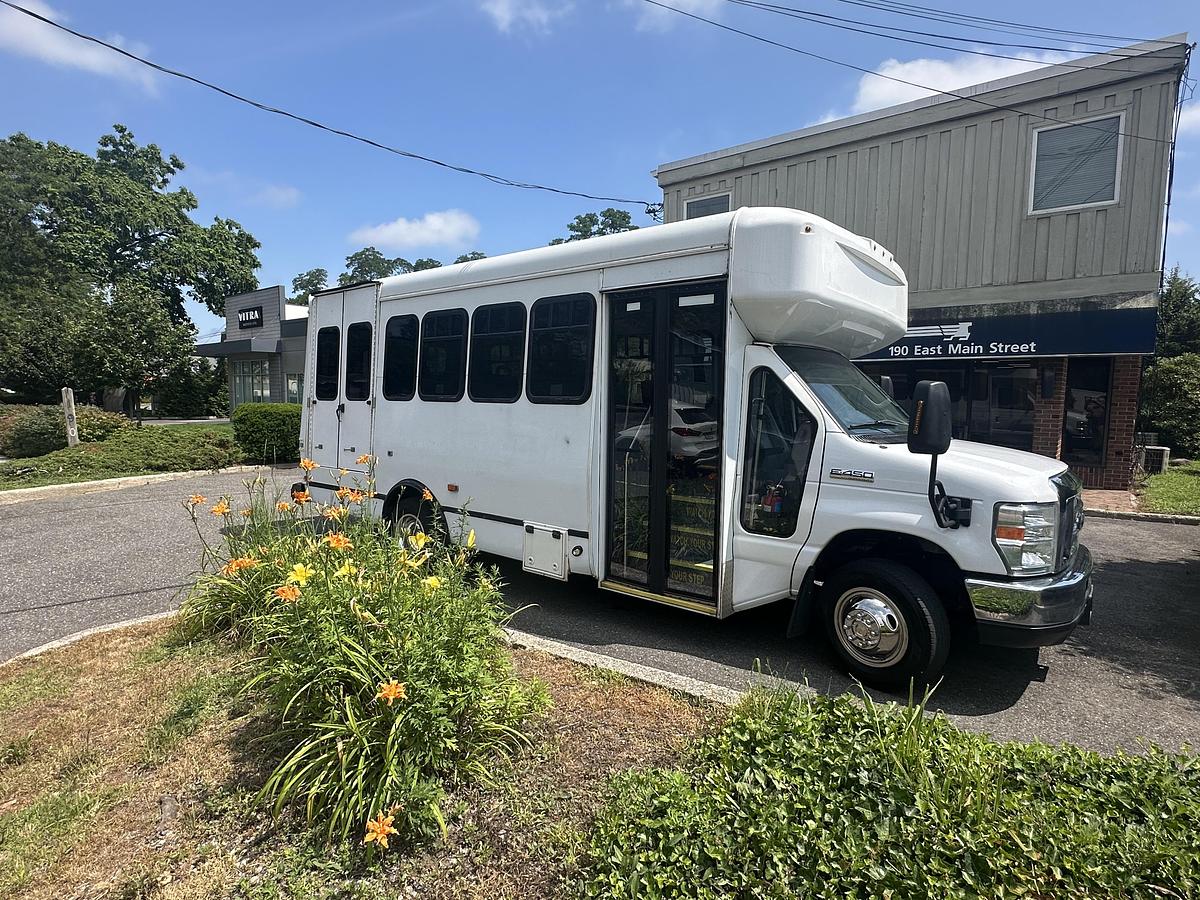
If you're searching for a used shuttle bus for sale, you’re about to make a decision that can either make your business run smoothly… or cost you thousands in downtime and repairs.
Most buyers focus on the wrong things.
They look at:
- Price
- Mileage
- Photos
What they should be looking at is:
- Rust
- Maintenance history
- Platform reliability
- Reconditioning quality
Step 1: Start With the Right Platform
The Ford E-450 is one of the most widely used shuttle platforms in the country — and for good reason:
- Nationwide parts availability
- Proven V10 drivetrain
- Easy serviceability
- Strong resale value
👉 See our used Ford E-450 shuttle buses
Step 2: Rust Matters More Than Mileage
A 150,000-mile rust-free bus is often better than a 60,000-mile rusted one.
Why?
- Rust affects structural integrity
- Brake lines and frames deteriorate
- Repairs are expensive and often temporary
👉 Read how we source rust-free buses
Step 3: Understand Reconditioning vs. “Cleaned Up”
Most dealers:
- Buy local auction buses
- Wash them
- List them
We fully recondition buses before sale.
Step 4: ADA Configuration Matters
If you're running:
- NEMT
- Assisted living transport
- Medical routes
You need flexibility.
👉 View our ADA wheelchair buses
Step 5: Get It Right the First Time
The cheapest bus is almost never the best bus.
👉 Apply for financing and get the right unit
Bottom line: Don’t buy the price — buy the bus. A rust-free, properly reconditioned bus from a dealer who knows its history will cost you less over the years than a cheap bus that lives in the shop.
Shop by type: Non-CDL Shuttle Buses | Wheelchair Buses